Vision
A society where all persons with disabilities realise their rights without discrimination in HIV/AIDS, SRHR, TB and other infectious diseases in service delivery and interventions.
Who we are
Nothing about us without us
A disability-led network advancing inclusive health, rights and development.
Our storyNOTHING ABOUT US WITHOUT US
A disability-led network advancing inclusive health, rights and development across South-Central Uganda.
Our identity
ADPHA Uganda is a disability-led organisation advancing the rights, dignity, health, inclusion and socio-economic empowerment of persons with disabilities, especially those living with HIV and people affected by TB.
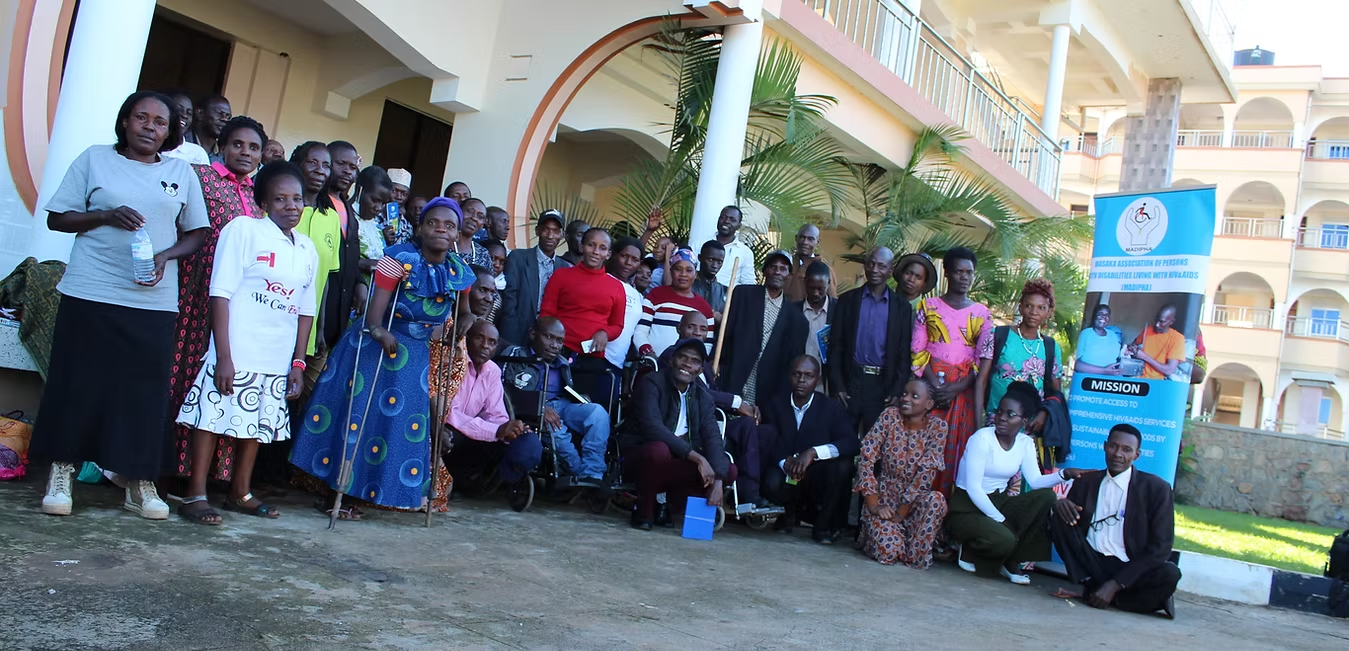
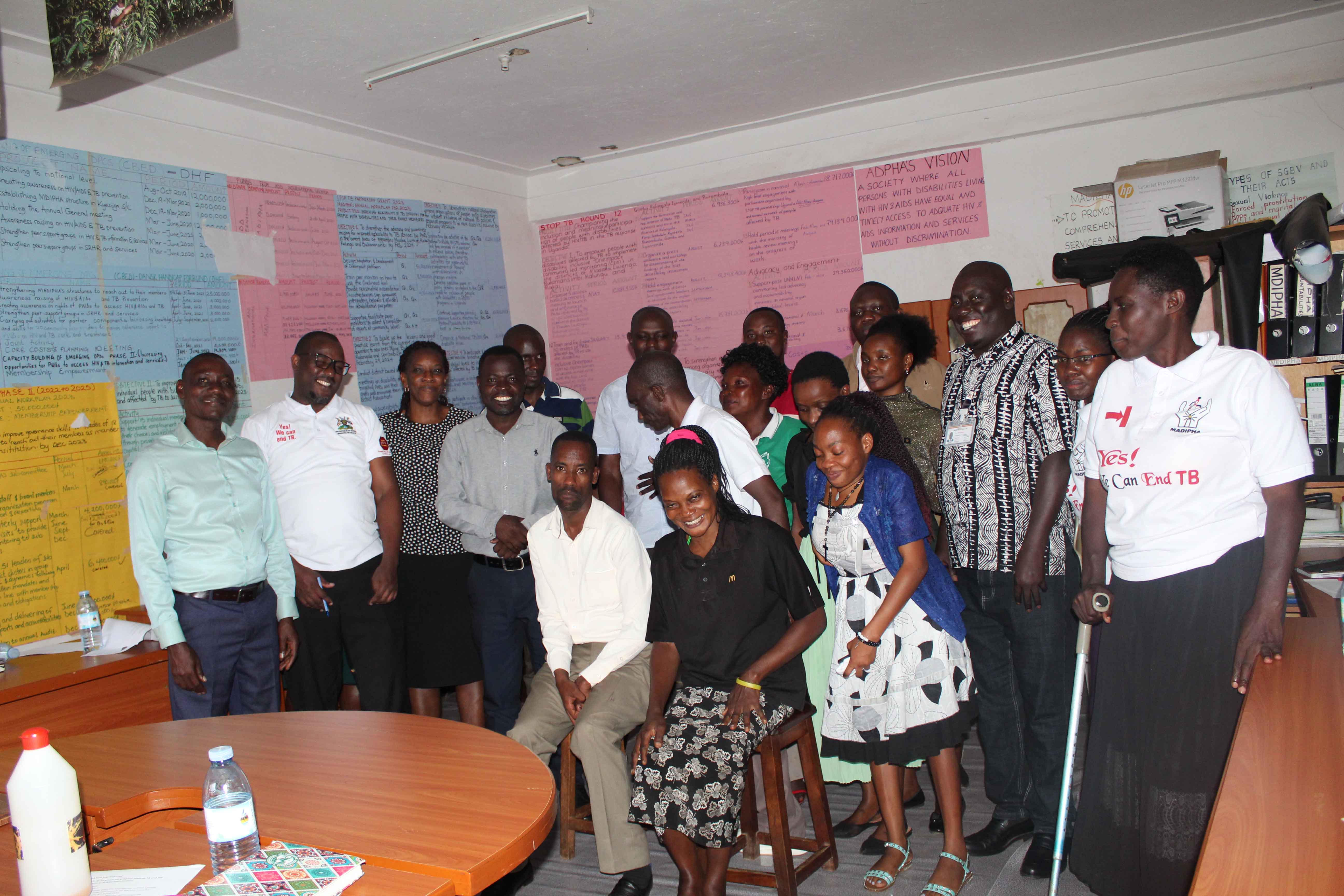
From a peer support initiative founded in 2009, ADPHA has grown into a network of 10 district associations and 512 registered members across South-Central Uganda.
Persons with disabilities are leaders, advocates, decision-makers and active partners in designing, implementing and monitoring programmes.
A society where all persons with disabilities realise their rights without discrimination in HIV/AIDS, SRHR, TB and other infectious diseases in service delivery and interventions.
To eliminate barriers to inclusive service delivery and reduce the drivers of HIV, poor sexual and reproductive health outcomes, TB and other infectious diseases among persons with disabilities.
Our work
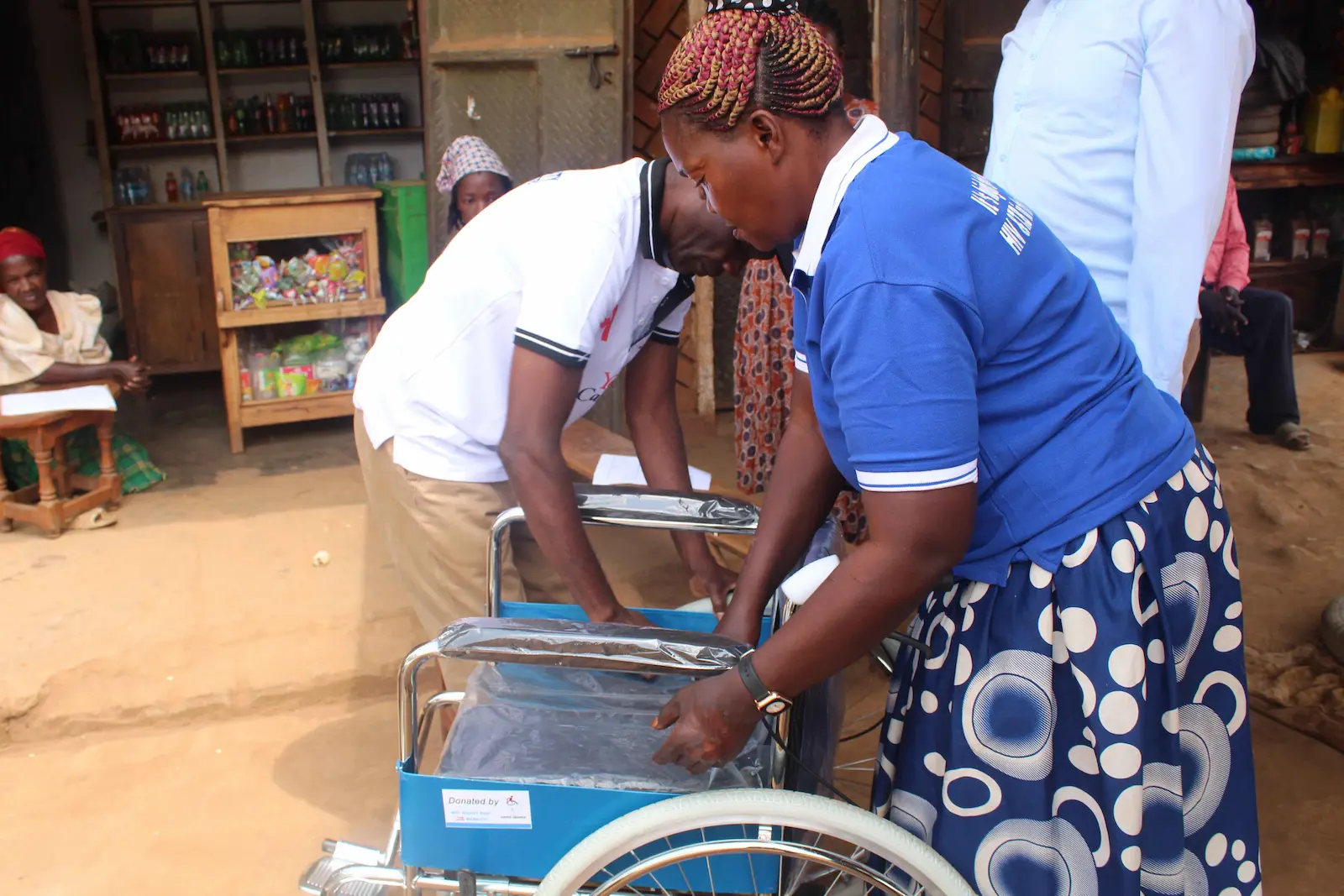
An integrated approach connecting health, rights, rehabilitation, livelihoods and community accountability.
HIV • TB • malaria • community health
Learn moreRights • information • practical support
Learn moreCBR • referrals • learning • skills
Learn moreSkills • savings • credit • resilience
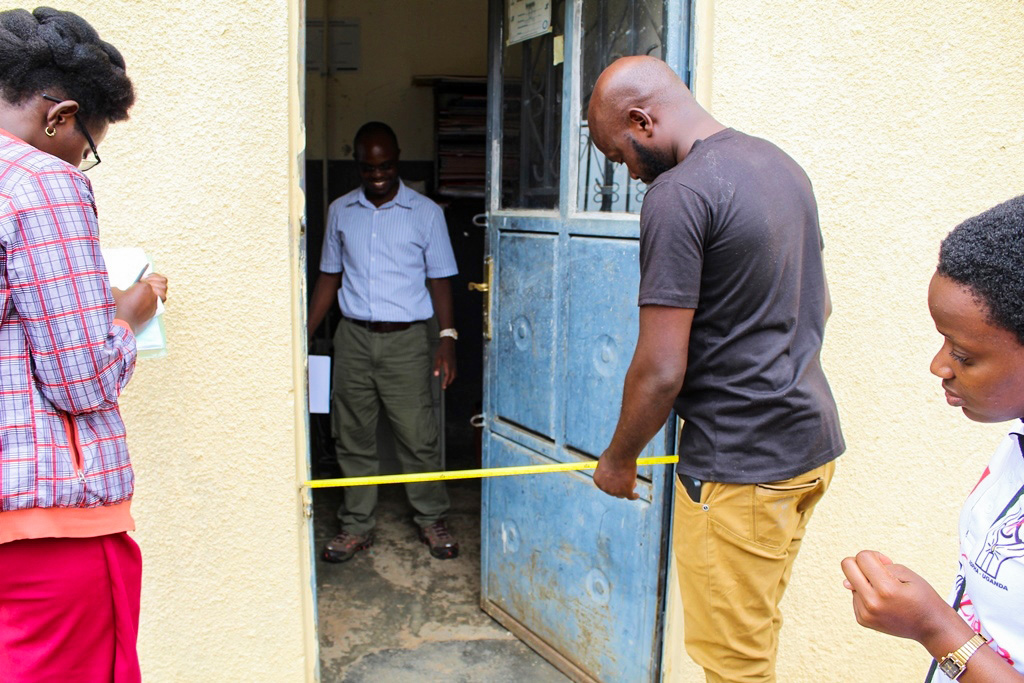
Learn moreAdvocacy • monitoring • accessibility
Learn moreFunding priorities
ADPHA is seeking further funding and technical collaboration to expand high-impact, disability-inclusive programming.
With thanks for their continued partnership.
Priority 1: Scale inclusive HIV, TB, malaria and community health outreach, referrals and accessibility monitoring.
Priority 2: Expand SRHR, menstrual health and rights-based support, especially for women, girls and young people with high support needs.
Priority 3: Increase rehabilitation, education support and youth empowerment for children and young persons with disabilities.
Priority 4: Create more sustainable livelihood, savings and credit, financial literacy and income-generation opportunities.
Priority 5: Develop community-led monitoring, disability rights advocacy, leadership and organisational strengthening.